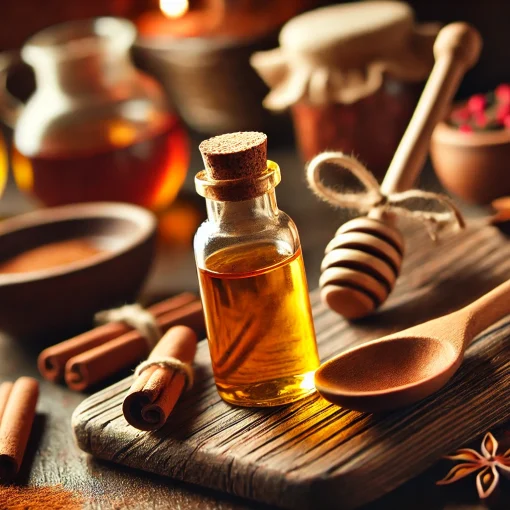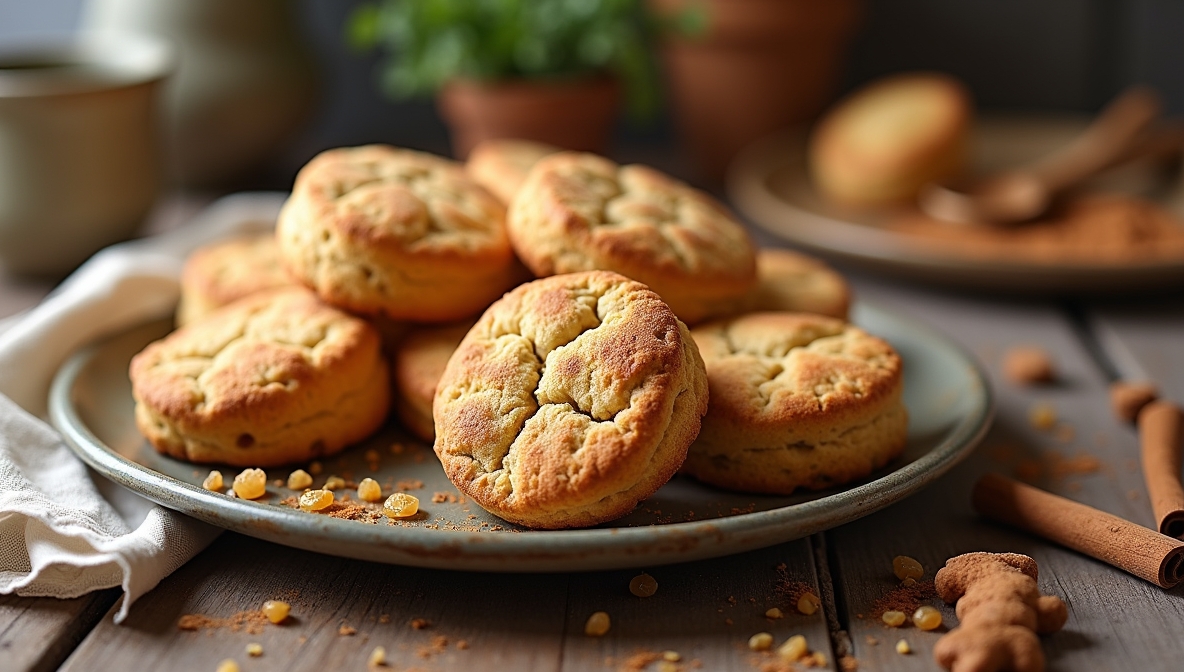
Cinnamon is more than a pantry staple; it is a versatile spice that can transform simple meals into comforting, memorable dishes. At CinnamonZone.hk we celebrate cinnamon’s warm aroma and its ability to brighten both sweet and savory preparations. Whether you reach for a cinnamon stick to infuse a slow simmer or a pinch of ground cinnamon to finish a morning bowl, the spice offers approachable ways to elevate everyday cooking. This article dives into how to use cinnamon in daily life, covering types, forms, safe practice, pairing ideas, practical tips, and delicious recipes you can try this week.
Cinnamon basics: what it is and why it works in everyday cooking
Cinnamon comes from the inner bark of certain trees in the Cinnamomum genus. The two most common varieties in kitchens worldwide are Ceylon cinnamon (true cinnamon) and Cassia cinnamon. Ceylon is lighter in color and tends to have a sweeter, more delicate flavor, while Cassia is stronger, hotter, and often a bit spicier. Cassia also contains higher levels of a compound called coumarin, which can be an issue in larger amounts. When you cook with cinnamon daily, aiming for a balanced use and rotating varieties can help you enjoy flavor with less risk of overpowering a dish.
Cinnamon forms you will encounter
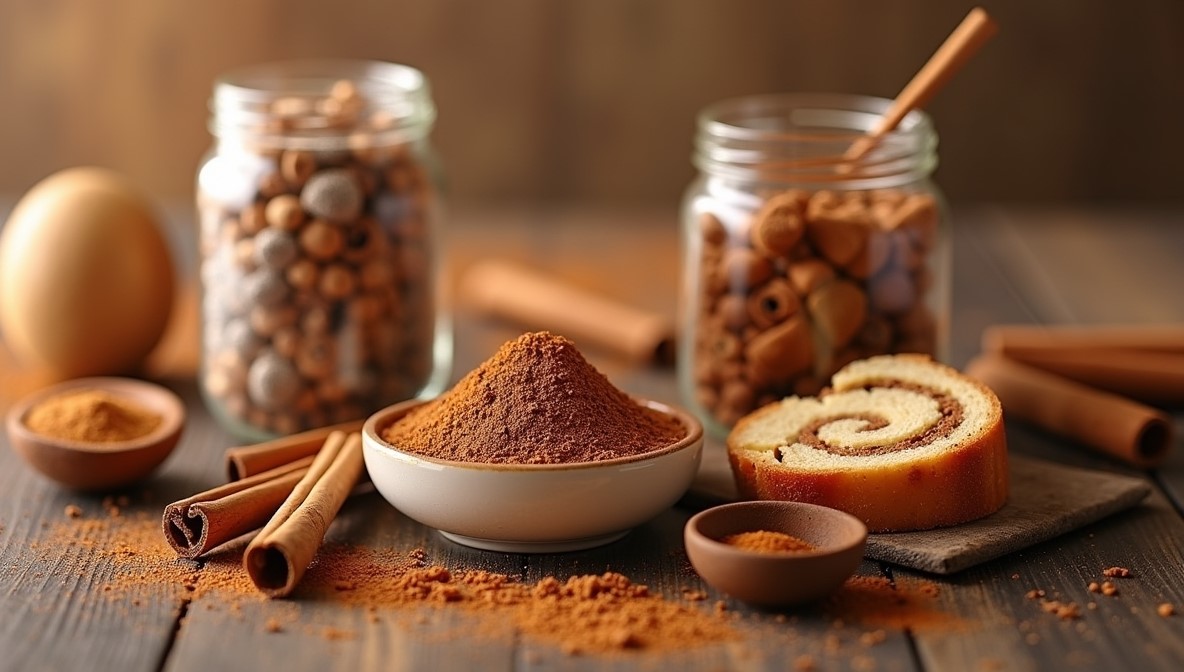
- Ground cinnamon: The most common form for baking and quick seasoning. It blends evenly into batters, spice rubs, and smoothies.
- Cinnamon sticks: Ideal for infusing liquids like coffee, tea, sauces, stews, and mulled beverages. They impart aroma without adding gritty texture.
- Cinnamon extract: A potent option for baking and desserts when you want a strong cinnamon note without altering texture.
How to choose the right form
- For slow simmered sauces, stews, or beverages, sticks are perfect because they release aroma gradually and can be removed.
- For quick seasonings, sprinkling into batter or yogurt, ground cinnamon is convenient and easy to measure.
- If you need a precise cinnamon flavor without altering texture, cinnamon extract offers a concentrated option.
How cinnamon fits into everyday cooking: ideas by category
Using cinnamon in everyday meals is about balance. Here are practical ways to weave it into your routine.
H2: Cinnamon in baking and breakfast
- Oatmeal, pancakes, and waffles: A pinch of ground cinnamon enhances fruit toppings and maple syrups.
- Muffins and quick breads: Cinnamon paired with apples, bananas, or pumpkin adds depth.
- Yogurt bowls: A sprinkle of cinnamon over yogurt with honey and fruit creates a simple, comforting start to the day.
- Baked apples or pears: Cinnamon rounds out the natural sweetness of fruit with warmth.
H2: Cinnamon in beverages
- Coffee and chai: Add a dash of ground cinnamon or a cinnamon stick to coffee, hot chocolate, or chai for a cozy twist.
- Smoothies: A light pinch of cinnamon pairs beautifully with banana, almond milk, and vanilla.
- Mulled drinks: Simmer cinnamon sticks with citrus peels, cloves, and a touch of honey for a festive, comforting beverage.
H2: Cinnamon in savory dishes
- Meat and poultry rubs: A small amount of cinnamon works well with cumin, coriander, and paprika in Middle Eastern and North African inspired rubs.
- Stews and tagines: Cinnamon adds soul to tomato-based or chickpea stews, balancing acidity with warmth.
- Roasted vegetables: A pinch of cinnamon can brighten roasted carrots, sweet potatoes, or butternut squash when combined with olive oil and sea salt.
H2: Cinnamon with grains and sides
- Rice and quinoa: A minimal amount of cinnamon offers aromatic lift to sweet-savory combinations like citrus or nutty additions.
- Porridge and risotto: A whisper of cinnamon can round out creamier, richer flavors.
H2: Cinnamon in desserts and snacks
- Custards, puddings, and custardy sauces: Cinnamon is a classic partner to vanilla and caramel notes.
- Nuts and seeds: Roasted cinnamon-spiced nuts make a quick, flavorful snack.
- Trail mix or granola: A touch of cinnamon adds warmth to crunchy snack blends.
Cinnamon forms and how to use them effectively
H3: Ground cinnamon
- Great for: Baking, sprinkling on toast, mixing into oatmeal, smoothies, yogurt, and spice blends.
- Tip: Sift ground cinnamon over hot foods to reduce clumps. Add toward the end of cooking if you want a more prominent aroma in baked goods.
H3: Cinnamon sticks
- Great for: Infusing liquids, slow simmer sauces, mulled drinks, and spice sachets.
- Tip: Remove sticks before serving to avoid overpowering the dish. For long simmering, start with a longer simmer then taste and adjust.
H3: Cinnamon extract
- Great for: Quick flavor boosts in batters, frostings, and beverages.
- Tip: Start with small amounts because extract is strong. You can always add more after tasting.
Safe dosage and wellness: how to use cinnamon responsibly
Cinnamon is generally safe when used in typical cooking amounts. The main safety note concerns cassia cinnamon due to its higher coumarin content, which can affect liver function if consumed in large amounts over time. For most home cooks, daily culinary use stays well within safe bounds, but prolonged high doses and supplements should be discussed with a healthcare professional.
H2: Daily dosage guidelines
- For culinary use: There is no strict daily limit for cooking. Most recipes use 1/4 teaspoon to 1 teaspoon of ground cinnamon per serving. In a typical day, enjoying cinnamon in several dishes adds up to a moderate amount that is generally safe for healthy individuals.
- For supplements or high concentration products: Follow the product label strictly and consult a clinician if you have liver concerns or are taking medications that interact with cinnamon.
H3: Side effects and precautions
- Allergies or skin sensitivities: Some individuals may react to cinnamon in the mouth or skin, causing irritation or a burning sensation.
- Mouth and throat irritation: Highly concentrated cinnamon can cause local irritation in sensitive individuals.
- Interaction with medications: Cinnamon may interact with anticoagulants or diabetes medications. If you take any prescription meds, talk to your doctor before taking cinnamon supplements.
- Pregnancy and breastfeeding: Use culinary amounts during pregnancy and breastfeeding. Avoid high-dose supplements unless advised by a healthcare professional.
H3: Interactions to watch for
- Blood sugar: Cinnamon can affect blood sugar levels; if you are managing diabetes, monitor levels closely when introducing more cinnamon into meals.
- Liver concerns: Cassia cinnamon in large quantities is a concern for liver health due to coumarin.
- Drug interactions: If you take anticoagulants or certain heart medications, check with a clinician before using cinnamon supplements.
Practical tips for cooking with cinnamon
H2: Blooming and balancing flavors
- Bloom cinnamon in fat or liquid: A quick sear of cinnamon with oil or butter can open up its aroma before adding to batter or sauces.
- Pair with acidity: A touch of citrus or vinegar can balance the sweetness and warmth of cinnamon.
- Layer with other warm spices: Nutmeg, cloves, allspice, or cardamom can deepen flavor without overwhelming cinnamon.
H3: Measuring and substituting
- If you only have whole spices: Grind cinnamon sticks in a spice grinder to create fresh ground cinnamon for recipes that need that bright, fresh taste.
- Substitutions: If a recipe calls for ground cinnamon and you only have sticks, steep the sticks in warm liquid to extract flavor and then remove before serving.
H3: Storage for peak aroma
- Store in an airtight container in a cool, dark place away from direct sunlight or heat.
- Ground cinnamon loses aroma faster than sticks; keep ground cinnamon in small, dark containers and use within six months for best flavor.
- Cinnamon sticks last longer; they can keep up to two to three years if stored properly.
Pairings by dish: practical matchups
H3: Baked goods and breakfast pairings
- Apples, pears, berries with oats, cream cheese frostings, and vanilla.
- Chocolate or cocoa adds a cozy note to cinnamon brownies or hot chocolate.
- Vanilla bean, almond, and citrus zest pair beautifully with cinnamon.
H3: Beverages
- Coffee, chai, and hot chocolate with a cinnamon twist.
- Lemon or orange slices with cinnamon sticks in warm water create a soothing daytime drink.
H3: Savory dishes
- Lamb tagine and Moroccan inspired stews with cumin, coriander, and a touch of cinnamon.
- Roasted carrots, potatoes, or squash with coriander, paprika, and olive oil.
- Tomato-based sauces with cinnamon notes to add warmth without sweetness dominating.
H3: Grains and sides
- Rice pilafs with toasted nuts and a small cinnamon touch.
- Quinoa with roasted vegetables and herbs for a balanced side dish.
Easy cinnamon recipes to try this week
Here are simple, reliable recipes you can start with to incorporate cinnamon into everyday meals. Each recipe targets beginner to intermediate cooks and highlights cinnamon in a friendly way.
H2: Quick Cinnamon Oatmeal with Apple
Ingredients:
– 1 cup rolled oats
– 2 cups milk or plant milk
– 1 apple, chopped
– 1/2 teaspoon ground cinnamon
– Pinch of salt
– Optional toppings: walnuts, maple syrup, yogurt
Instructions:
1. In a small pot, bring milk to a gentle simmer.
2. Add oats and salt; cook for 5 minutes, stirring occasionally.
3. Stir in cinnamon and chopped apple; cook until oats are creamy.
4. Serve with optional toppings.
H2: Cinnamon Roasted Carrots and Chickpeas
Ingredients:
– 4 cups carrot sticks
– 1 can chickpeas, drained
– 1 tablespoon olive oil
– 1/2 teaspoon ground cinnamon
– 1/2 teaspoon paprika
– Salt and pepper to taste
Instructions:
1. Preheat oven to 400F (200C).
2. Toss carrots and chickpeas with olive oil, cinnamon, paprika, salt, and pepper.
3. Roast on a lined baking sheet for 25-30 minutes until crisp and tender.
4. Serve as a side dish or over quinoa.
H2: Honey Cinnamon Glazed Chicken with Apples
Ingredients:
– 4 chicken thighs or breasts
– 1 tablespoon olive oil
– 1/2 teaspoon ground cinnamon
– 2 apples, sliced
– 1/4 cup honey
– 2 tablespoons soy sauce or tamari
Instructions:
1. Sear chicken in olive oil until lightly browned.
2. Remove and add apples; sauté briefly.
3. Return chicken to the pan, add cinnamon, honey, and soy sauce; simmer until cooked through and glossy.
4. Serve with brown rice or roasted vegetables.
H2: Cinnamon Banana Smoothie
Ingredients:
– 1 banana
– 1 cup almond milk or dairy milk
– 1/2 teaspoon ground cinnamon
– 1 tablespoon peanut butter or almond butter
– Optional ice or yogurt
Instructions:
1. Blend all ingredients until smooth.
2. Adjust thickness with more milk or yogurt as needed.
H2: Spiced Yogurt Parfait
Ingredients:
– 1 cup plain yogurt
– 1/2 teaspoon ground cinnamon
– 1/4 cup granola
– Fresh fruit and a drizzle of honey
Instructions:
1. Layer yogurt, cinnamon, granola, and fruit in a glass.
2. Drizzle with honey for a touch of sweetness.
Storage and freshness: keeping cinnamon at its best
- Ground cinnamon: Best used within six months for optimal aroma; store in a cool, dark place in an airtight container.
- Cinnamon sticks: Can last up to two to three years if stored away from heat and moisture.
- Whole versus ground: Whole sticks stay fresher longer than ground cinnamon, which can lose its potency quicker.
Safety first: cinnamon and your wellness journey
- Use cinnamon primarily as a flavoring and aromatics rather than a medicinal dose.
- If you have liver concerns or are sensitive to coumarin, opt more for Ceylon cinnamon and keep cassia use limited.
- Always talk to a healthcare professional before using high dose cinnamon supplements or if you are pregnant or taking medications such as anticoagulants or diabetes drugs.
Q and A: quick clarifications for busy cooks
- Can I use cinnamon in savory dishes every day? Yes. In small amounts, cinnamon can enhance depth in stews, roasted vegetables, and savory meat dishes.
- Is cinnamon safe for kids? Yes in typical culinary amounts; avoid large doses and always supervise children with hot foods or cinnamon sticks to prevent choking hazards.
- How can I tell if my cinnamon has lost its flavor? Fresh cinnamon smells strong and sweet; if the aroma is weak or dull, it may be past its prime and should be replaced.
Why CinnamonZone.hk loves cinnamon in everyday cooking
- Cinnamon is approachable and adaptable for a broad range of dishes, from warm breakfasts to comforting dinners.
- It pairs naturally with fruit, dairy, grains, meat, and vegetables, letting you build flavor layers without heavy additives.
- It offers a familiar aroma that can evoke calm and comfort while enabling creative experimentation in your kitchen.
Final thoughts: make cinnamon a staple in your weekly menu
Cinnamon is a small spice with big impact. By using it thoughtfully—choosing the right form, balancing it with other flavors, and keeping safety in mind—you can enrich your everyday cooking with warmth, aroma, and a hint of sweetness. Whether you keep it simple with a cinnamon sprinkle on oats or elevate a savory roast with a cinnamon touch, there are countless ways to enjoy this beloved spice. For more inspiration, tips on cinnamon safety, dosage guidance, and a diverse collection of cinnamon-based recipes, visit CinnamonZone.hk and keep exploring how this ancient spice can brighten modern meals.