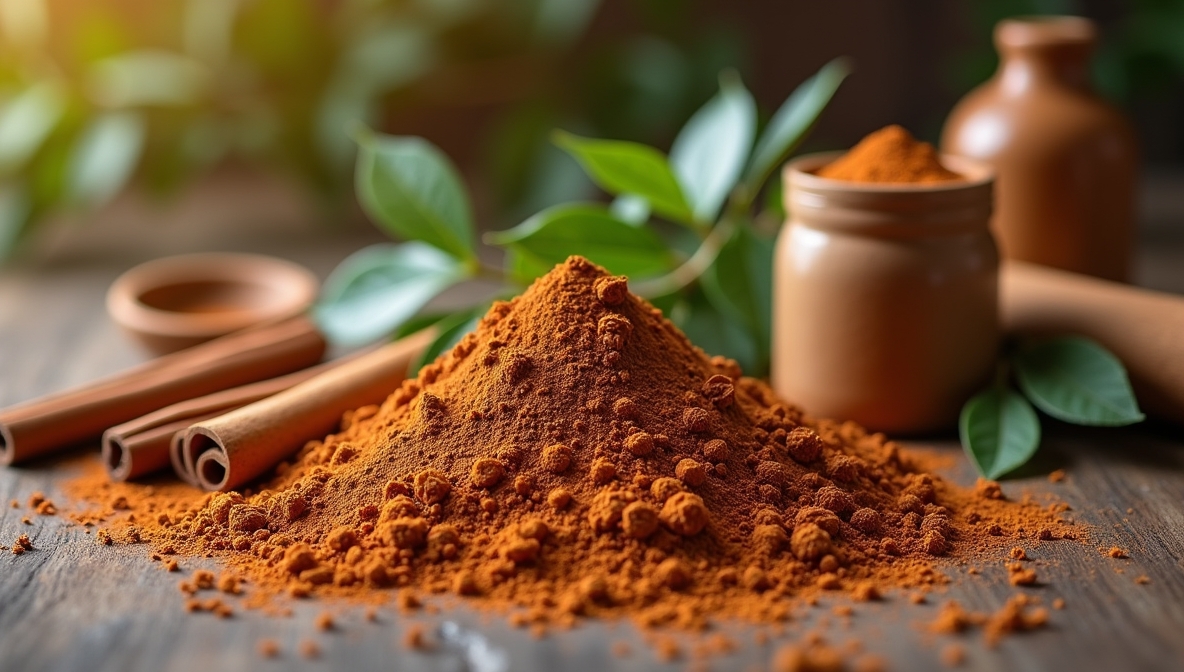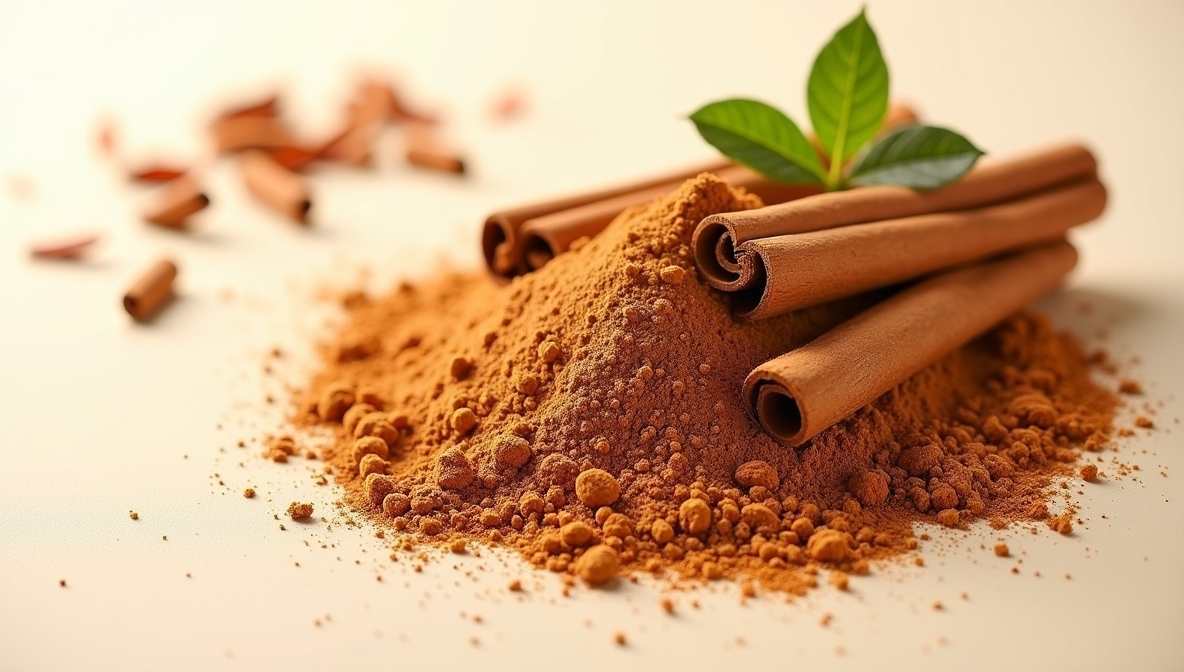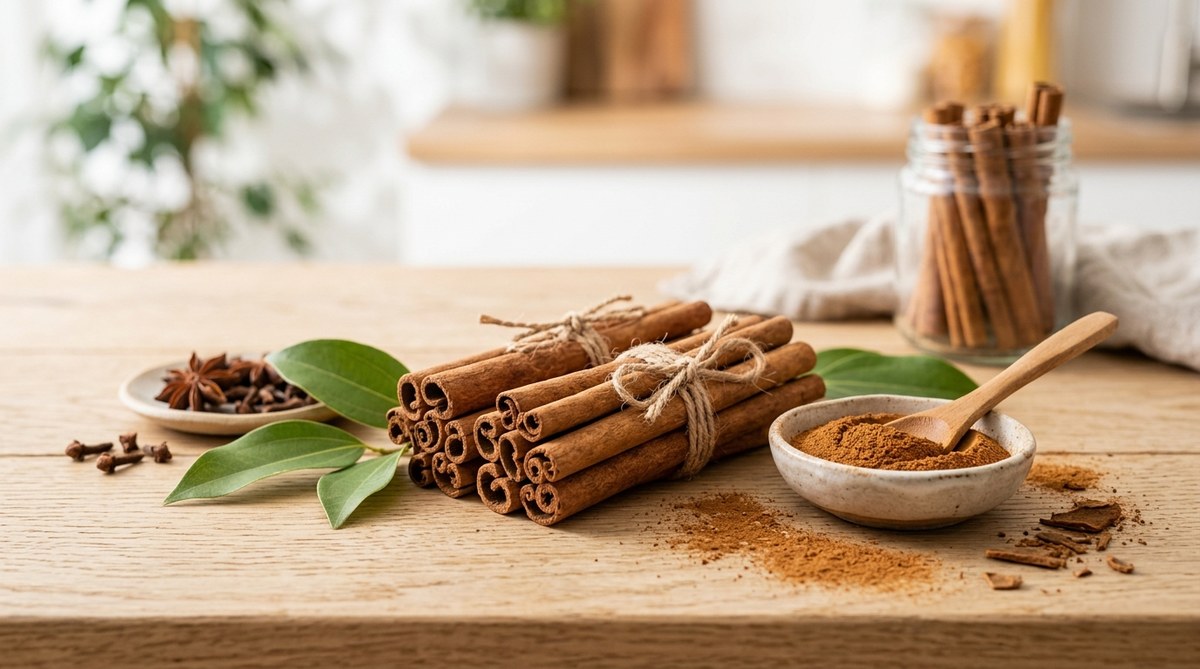
Cinnamon is more than a pantry staple. It is a versatile spice with a long history in traditional medicine and a growing body of modern science behind it. At CinnamonZone.hk we explore how this fragrant bark can fit into your wellness routine, from daily meals to mindful dosing and safe usage. In this guide you will find clear explanations, practical tips, and evidence grounded insights to help you enjoy cinnamon safely and effectively.
What makes cinnamon a wellness friendly spice
Cinnamon contains a collection of bioactive compounds that contribute to its distinctive aroma and potential health benefits. The most studied among them include cinnamaldehyde, cinnamic acid, and various polyphenols. These compounds act as antioxidants and may influence inflammatory pathways, blood sugar regulation, and metabolic health. Different cinnamon varieties offer different levels of certain compounds, and this matters for long term daily use.
Two main types of cinnamon are commonly sold in markets and grocery stores:
- Cassia cinnamon: the most common variety in the United States and many other markets. It is fragrant and budget friendly but contains higher levels of a compound called coumarin.
- Ceylon cinnamon: often called true cinnamon. It has a lighter aroma and significantly lower coumarin content, making it a preferred option for regular use and therapeutic experiments.
Choosing the right type may depend on how you plan to use cinnamon and how often you will use it. If you are consuming cinnamon every day or taking it as a supplement, opting for Ceylon or limiting Cassia intake is a sensible approach.
The main health benefits of cinnamon
Cinnamon has been explored for a wide range of health outcomes. While not a cure for any disease, it may contribute to overall wellness when used as part of a balanced diet and healthy lifestyle. Below are the areas most frequently studied.
Antioxidant power
- Cinnamon is rich in polyphenols that help neutralize free radicals.
- Antioxidants support cell health and may reduce oxidative stress associated with aging and chronic disease.
- Practical takeaway: sprinkling cinnamon on oatmeal, yogurt, or smoothies can add flavor and a modest antioxidant boost.
Anti inflammatory properties
- Some studies show that cinnamon can modulate inflammatory markers in the body.
- Lowering chronic inflammation is linked to improved metabolic health and reduced risk of several diseases.
- Note: effects can vary based on the type of cinnamon, dose, and individual factors.
May protect the heart
- Cinnamon may help improve lipid profiles in some people, including modest reductions in total cholesterol and triglycerides.
- There is interest in its potential to support healthy blood pressure when used as part of a broader heart healthy approach.
- Practical tip: focus on a heart healthy lifestyle that includes fiber, fruits and vegetables, regular activity, and cinnamon as a flavor enhancer rather than a substitute for proven therapies.
May improve insulin sensitivity
- Some research suggests cinnamon can influence how the body uses insulin, which is key for metabolic health.
- This can translate into small improvements in how the body handles glucose after meals for some individuals.
- Important caveat: results are not uniform across all studies, and cinnamon should not replace prescribed diabetes treatments.
May help lower blood sugar levels
- Cinnamon may modestly reduce fasting blood sugar and post meal blood glucose in some people with prediabetes or type 2 diabetes.
- Always monitor blood sugar levels and discuss any supplements with a healthcare professional if you take glucose lowering medications.
- Practical approach: use cinnamon as a flavoring habit rather than a high dose intervention.
May support weight management
- Some early studies link cinnamon with improvements in appetite regulation and glycemic responses that can support weight management efforts.
- Evidence is mixed and should be integrated with a balanced diet and activity plan.
- How to use: incorporate cinnamon into breakfast routines, teas, and baked goods.
May have antiviral properties
- Laboratory studies show cinnamon extracts can inhibit certain microbial organisms in test tubes.
- It is important to understand that in vitro findings do not automatically translate to human health benefits.
- Use: don’t rely on cinnamon as a sole antiviral strategy; follow public health guidance for infections.
May support brain health and neurodegenerative conditions
- Emerging research explores cinnamon components for potential neuroprotective effects.
- Some small studies suggest improvements in cognitive function and memory in specific contexts, but evidence is not conclusive.
- Practical stance: use as part of a brain healthy diet rather than a standalone intervention.
May protect against cancer
- Some laboratory and animal studies examine anticancer properties of cinnamon compounds.
- Human evidence is limited and not definitive; more research is needed.
- Safety note: high dose cinnamon should not be used as a cancer treatment.
Which type of cinnamon is best for daily use
- For routine use and long term safety, Ceylon cinnamon is often recommended due to its lower coumarin content.
- If you primarily use cinnamon as a flavoring spice and consume it in moderation, Cassia can be acceptable occasionally.
- People with liver concerns, those on anticoagulant therapy, or those who use cinnamon supplements regularly should prefer Ceylon and consult a clinician.
Safe dosing, daily usage and practical guidelines
Using cinnamon sensibly supports flavor and potential health benefits without risking adverse effects. Here are practical guidelines to keep in mind.
- Typical daily amounts: 0.5 to 1 teaspoon (about 1.5 to 3 grams) of ground cinnamon is common in recipes and daily use for many people.
- Cassia caution: Because Cassia contains higher coumarin, aim for lower amounts if you are using Cassia regularly. Consider Ceylon for frequent use.
- Do not rely on cinnamon as a sole treatment: For blood sugar control or other health conditions, follow medical advice and use cinnamon as a supplement to established therapies.
- Pregnant or breastfeeding individuals: consult a healthcare professional before using cinnamon in concentrated forms or supplements.
- Children: cinnamon can be part of a healthy diet, but high spice intake should be discussed with a pediatrician.
Cinnamon safety, side effects and interactions
As with any spice or supplement, safety matters. Being mindful helps you avoid side effects and interactions.
- Digestive upset: some people experience stomach discomfort when using cinnamon in large amounts.
- Allergies: cinnamon can trigger allergic reactions in sensitive individuals.
- Coumarin exposure: Cassia cinnamon contains coumarin, which in high doses can be a concern for liver health in susceptible people.
- Medication interactions:
- Anticoagulants or antiplatelet drugs: cinnamon may interact and affect blood thinning; consult a clinician.
- Diabetes medications: cinnamon can affect glucose levels and interact with meds that lower blood sugar; monitor closely.
- Avoid excessive use: extremely high spice doses are unnecessary and can be unsafe.
How to incorporate cinnamon into daily life
A practical approach to reaping benefits while keeping intake reasonable:
- Morning boosts:
- Add a pinch of cinnamon to coffee, oats, or yogurt.
- Sprinkle on whole grain toast with a light smear of almond butter.
- Breakfast and snacks:
- Mix cinnamon into smoothie bowls, chia puddings, or cottage cheese.
- Stir cinnamon into unsweetened applesauce or peanut butter for a flavorful snack.
- Cooking and baking:
- Use cinnamon in spice blends for roasted vegetables, chili, or lentil dishes.
- Bake cinnamon into muffins, pancakes, or whole grain breads for a comforting treat.
- Beverages:
- Prepare cinnamon tea or warm water with a cinnamon stick; it can be soothing and flavorful.
- Add a dash to homemade yogurt smoothies for a subtle warmth.
Choosing and storing cinnamon for quality and safety
- Look for whole sticks or ground cinnamon labeled as Ceylon when possible for everyday use.
- Store in a cool, dry place, away from sunlight to preserve flavor and polyphenol content.
- Check for freshness: ground cinnamon loses aroma faster than sticks.
- If buying in bulk, keep away from moisture to prevent clumping and mold.
Cinnamon zone practical FAQ
- Is cinnamon good for blood sugar control?
-
It may help modestly in some individuals, but it should not replace medical treatment or dietary changes advised by your doctor.
-
Should I choose Cassia or Ceylon?
-
For regular use and lower coumarin exposure, Ceylon is a safer option; Cassia is fine in moderation.
-
Can cinnamon help with weight loss?
-
Evidence points to potential supportive effects on appetite and glycemic response; it is not a miracle weight loss agent.
-
Are there risks with high cinnamon intake?
-
Yes, especially with Cassia, which can contribute to liver concerns over time due to coumarin.
-
Can cinnamon cure infections or cancer?
-
No. Cinnamon should not be used as a replacement for evidence based medical treatments.
-
How should I store cinnamon?
- Keep in a sealed container in a cool, dry place away from light.
Research insights and how CinnamonZone.hk uses them
CinnamonZone.hk aims to translate science into practical tips for everyday wellness. We summarize current evidence with caveats and focus on how you can safely incorporate cinnamon into a balanced lifestyle. Our recommendations are designed to complement a healthy diet rich in fiber, lean proteins, healthy fats, and plenty of vegetables and fruits.
- We emphasize the distinction between Cassia and Ceylon, particularly for long term daily use.
- We highlight the importance of not replacing medical treatment with cinnamon.
- We provide practical dosing guidelines and safety considerations for different populations.
Real world applications and recipes ideas
- Cinnamon flavored overnight oats with chia seeds, blueberries, and yogurt for a balanced breakfast.
- Glycemic friendly smoothies using cinnamon with unsweetened almond milk, spinach, and a scoop of protein powder.
- Savory spice blends including cinnamon for roasted carrots, lentils, and quinoa bowls.
- Cinnamon tea with a cinnamon stick and a slice of lemon for a warming drink.
The bottom line
Cinnamon remains a remarkable spice with a history of use in traditional cuisine and emerging evidence in modern research. It shows promise for antioxidant support, potential anti-inflammatory effects, and modest improvements in metabolic health markers. However, it is not a miracle cure or a substitute for medical care. By choosing the right type of cinnamon, keeping daily doses moderate, and incorporating cinnamon as part of a healthy lifestyle, you can enjoy its rich flavor while supporting your wellness goals.
At CinnamonZone.hk we are here to help you navigate cinnamon in a practical, family friendly way. From safe dosage tips to simple kitchen ideas, our goal is to empower you to use cinnamon with confidence and enjoyment. If you want more personalized guidance, consider discussing with a nutritionist or your healthcare provider, especially if you have existing health conditions or take medications.
Takeaway:
– Cinnamon offers antioxidant and anti inflammatory potential with possible benefits for heart health and blood sugar management.
– Daily use should favor Ceylon cinnamon for safety, with Cassia used in moderation.
– Combine cinnamon with a well rounded diet and lifestyle for best overall wellness outcomes.