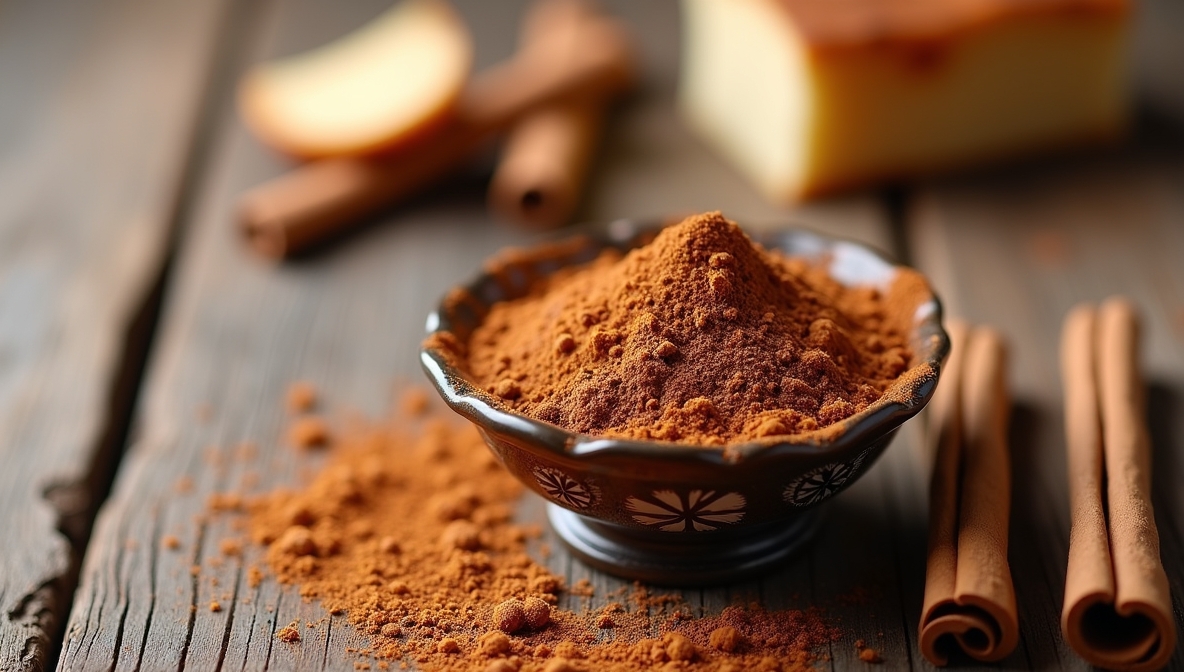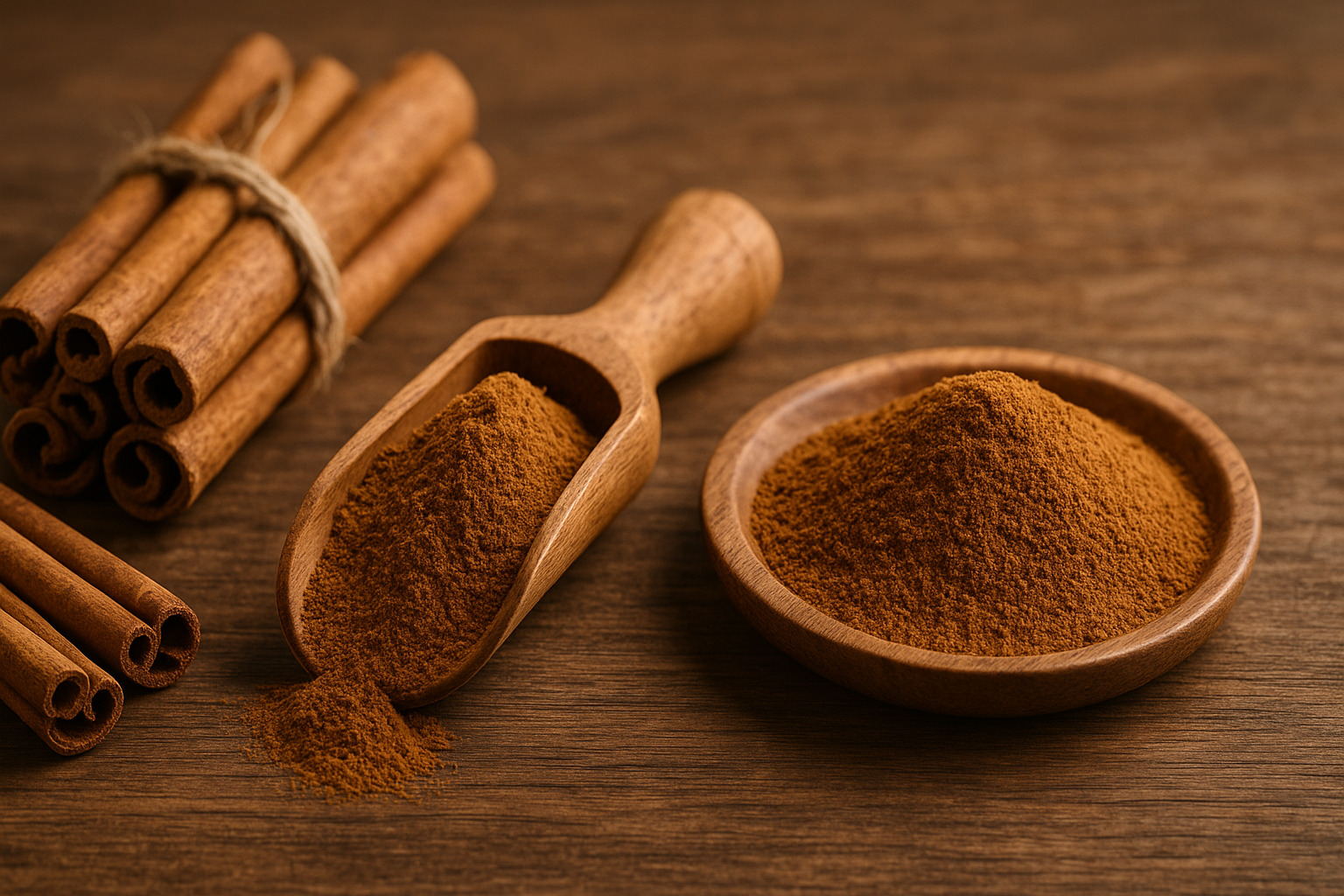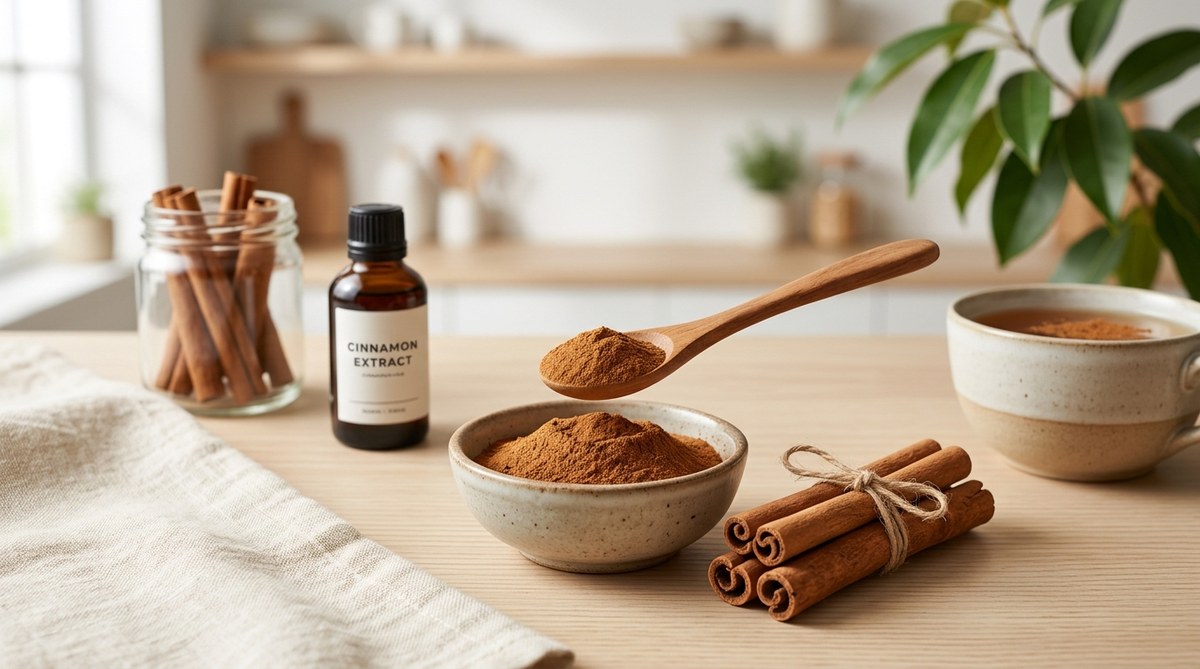
Cinnamon is a beloved kitchen staple with potential wellness benefits, but like any spice taken beyond culinary amounts, it warrants mindful use. At CinnamonZone.hk, we explore cinnamon’s role in recipes and wellness with a focus on safety and practical tips. In this article, you will find clear guidance on safe cinnamon dosage, how to choose the right type, potential risks, and everyday strategies to enjoy cinnamon without worry.
Understanding Cinnamon and Dosage Basics
When we talk about cinnamon dosage, we distinguish between everyday culinary use and amounts studied for health effects. Most people enjoy cinnamon in foods and beverages in small quantities, but some studies investigate higher doses to explore blood sugar, lipid profiles, and inflammatory markers. Here are the essentials to keep in mind:
- Culinary amounts are typically safe for most people. This means a pinch, a sprinkle, or up to about 1/2 teaspoon of ground cinnamon per day as part of meals or drinks.
- Therapeutic or research doses are higher. Many studies exploring cinnamon for health outcomes document amounts ranging roughly from 1 gram to several grams per day. These higher doses should be approached with caution and ideally under medical guidance.
- The form matters. Powdered cinnamon used in cooking is generally easier to dose accurately than whole sticks. Supplements and concentrated extracts can deliver consistent amounts but may carry different safety considerations.
Use cinnamon as a flavorful addition to food rather than a sole remedy. If you are hoping to use cinnamon specifically for a health goal such as blood sugar support, this is best done as part of a broader dietary and lifestyle plan and under professional supervision if you have underlying conditions.
Types of Cinnamon and Why It Matters
Not all cinnamon is created equal when it comes to safety. The two most common varieties you will encounter are Cassia cinnamon and Ceylon cinnamon.
- Cassia cinnamon: This is the more common grocery store cinnamon. It has a stronger taste and higher coumarin content. Coumarin is a natural compound linked to potential liver stress when consumed in large amounts over time. If you use cinnamon frequently, consider alternatives or lower the amount of Cassia to stay within safer limits.
- Ceylon cinnamon: Often marketed as true cinnamon, it contains very low levels of coumarin. For everyday use and regular supplementation, Ceylon cinnamon is generally favored by those who want to minimize coumarin exposure.
Why coumarin matters: Coumarin is present in varying levels depending on the cinnamon type. While small culinary amounts are typically safe for most people, higher intake of coumarin-bearing Cassia cinnamon over long periods has prompted safety discussions. If you plan to incorporate cinnamon regularly, it makes sense to be mindful of coumarin content and consider Ceylon cinnamon for routine use.
How Much Cinnamon is Safe: Practical Guidelines
There is no universal one-size-fits-all daily dosage for cinnamon, because individual factors such as body weight, health status, medications, and the cinnamon type all influence safety. Here are practical guidelines to help you navigate safe dosing.
For daily cooking and general wellness
- Culinary use is the most common and safest way to enjoy cinnamon daily. A pinch to 1/2 teaspoon per day (roughly 0.25 to 1.5 grams, depending on grind) is a typical range for many households.
- If you use cinnamon in a broader meal plan, try to keep total daily intake from cinnamon in the culinary range. This keeps exposure moderate while still allowing flavor and comfort.
- When in doubt, start small and gradually increase while monitoring how you feel and your blood sugar if you are managing glucose levels.
For diabetes or metabolic goals
- Some studies have explored cinnamon’s impact on blood sugar at higher doses. Reported ranges in the literature vary widely, often between 1 and 6 grams per day. These are research and supplement-dose ranges, not general culinary doses.
- If you are considering cinnamon to assist with blood sugar management, consult your healthcare provider first. They can help tailor a safe plan that accounts for your medications, existing conditions, and overall diet.
- If you use cinnamon supplements, follow the product label and your clinician’s advice. Do not exceed recommended doses, and consider periodic monitoring of blood glucose and liver function as advised.
For supplements and extracts
- Supplements labeled as cinnamon often specify a certain extract and standardized content. Choose reputable brands, and read the label carefully.
- Do not rely on essential oils as an internal remedy. Cinnamon essential oil is highly concentrated and should not be taken by mouth unless under strict professional supervision.
- Start with the lowest effective dose if you are using a supplement for the first time, and watch for any signs of adverse effects.
Safety Precautions and Potential Side Effects
Cinnamon is safe for most people in moderate amounts, but there are important risks to consider when you go beyond everyday culinary use.
- Liver safety concerns with Cassia cinnamon: Cassia contains higher levels of certain compounds that, in large amounts over time, may stress the liver. Regular high intake of Cassia cinnamon increases the risk compared to infrequent, small amounts.
- Mouth and throat irritation: Some individuals experience irritation or an allergic-type reaction after consuming cinnamon, especially in larger volumes.
- Drug interactions: Cinnamon can interact with medications, notably those for diabetes and blood thinners. If you are taking prescription medications, talk to your clinician before using cinnamon in higher therapeutic doses.
- Blood sugar management: Cinnamon can affect blood sugar levels. If you have diabetes and are on treatment, adding cinnamon in higher doses without medical supervision can cause unpredictable changes in glucose control.
- Pregnancy and breastfeeding: The safety of high-dose cinnamon during pregnancy and lactation is not well established. It is wise to use culinary amounts and avoid large therapeutic doses during pregnancy unless advised by a healthcare professional.
- Children: Use cinnamon in foods and beverages appropriate for children. Avoid high-dose cinnamon supplements in kids unless directed by a pediatrician.
If you notice any symptoms such as persistent nausea, unusual fatigue, jaundice (yellowing of the skin or eyes), or severe mouth irritation after cinnamon use, seek medical attention promptly.
Special Considerations for Different Populations
Pregnant and breastfeeding individuals
- Stick to culinary amounts. High-dose cinnamon use during pregnancy is not routinely recommended due to the lack of robust safety data.
- If you have a pregnancy-related condition or plan to use cinnamon for a specific therapeutic purpose, discuss with a healthcare professional.
Children and adolescents
- Culinary amounts are typically safe, but high-dose cinnamon supplements are not advised for children.
- If you are considering cinnamon for a child as part of a diet plan, consult a pediatrician first.
People with liver disease or bleeding disorders
- Those with liver disease should be cautious with Cassia cinnamon due to possible liver stress from coumarin exposure.
- People taking anticoagulant or antiplatelet medications should discuss cinnamon use with a clinician to avoid potential interactions.
People on medication
- Blood sugar medications: Cinnamon can enhance or alter glucose control, potentially causing hypoglycemia if combined with certain drugs.
- Anticoagulants and antiplatelets: Cinnamon can affect blood clotting in some individuals.
- If you are taking other medications or have a complex medical history, coordinate cinnamon use with your healthcare provider to avoid interactions.
How to Use Cinnamon Safely in Everyday Life
Practical steps help you enjoy cinnamon while minimizing risk.
- Choose wisely between Cassia and Ceylon: For regular daily use, Ceylon cinnamon is generally preferred because of its very low coumarin content.
- Check product labels: Look for 100% Ceylon cinnamon on the label if you want to prioritize low coumarin exposure. If you choose Cassia, be mindful of the amount you consume regularly.
- Use quality sources: Buy from reputable brands with transparent sourcing and labeling. Avoid products with dubious origins or unlabeled blends.
- Be mindful of total daily intake: Even if you enjoy cinnamon in several meals, total daily intake should stay modest, particularly when using Cassia.
- Pair with a balanced diet: Cinnamon can complement a meal, but it should not replace medical therapies or act as a sole solution for health concerns.
Practical recipe ideas that keep portions sensible:
– Sprinkling a pinch into overnight oats or yogurt
– Adding a 1/4 teaspoon to smoothies or warm beverages
– Using cinnamon as a spice in cooking rather than as a supplement
– Choosing cinnamon tea prepared from true cinnamon sticks during cooler days
Practical Tips for Safer Cinnamon Use
- Start with small amounts and monitor how you feel, especially if you have diabetes or liver concerns.
- Prefer Ceylon cinnamon for long-term daily use to minimize coumarin exposure.
- If you are using cinnamon supplements, use products from reputable brands and avoid high-dose regimens without medical guidance.
- Review all supplements you take for potential interactions and discuss cinnamon use with your healthcare professional, especially if you take medications or have a chronic condition.
Common Questions About Cinnamon Dosage and Safety
Here are answers to common concerns that readers often have when considering cinnamon for health or daily use.
How much cinnamon can I safely take per day?
- For culinary use, a pinch to 1/2 teaspoon daily is typically safe.
- For health goals studied in research, doses have ranged from about 1 gram up to 6 grams per day in some studies. These higher doses should be used under medical supervision.
- If you intend to use cinnamon as a supplement, follow the product directions and talk with a healthcare provider about a plan that fits your health needs.
Is Ceylon cinnamon safer than Cassia for daily use?
- Yes, Ceylon cinnamon generally has much lower coumarin content, making it a safer option for regular use over time.
- Cassia cinnamon remains popular for its robust flavor, but it should be consumed in smaller amounts if used frequently.
Can cinnamon interact with diabetes medications?
- There is potential for cinnamon to influence blood sugar levels. If you are on diabetes medications, any addition of cinnamon in higher doses should be discussed with your clinician.
- Regular monitoring of blood glucose is advisable if you start or increase cinnamon intake for health reasons.
What about cinnamon oil or extracts taken internally?
- Do not ingest cinnamon essential oil or highly concentrated extracts without professional supervision. They can cause serious irritation or toxicity.
- For safe practice, use culinary cinnamon or well-regulated supplements as directed on the label.
What are signs of cinnamon related toxicity?
- Persistent digestive upset, mouth ulcers, or unusual fatigue
- Jaundice or dark urine could indicate liver stress
- If you have a reaction after taking cinnamon, stop using it and seek medical advice
A Quick Safety Checklist
- Choose Ceylon cinnamon for daily use when possible
- Keep culinary cinnamon to moderate amounts
- Avoid high dose cassia cinnamon on a long-term basis
- Check with your healthcare provider if you have diabetes, liver issues, or take blood thinning medications
- Do not use cinnamon essential oil internally
Conclusion: Smart Cinnamon Habits for Wellness and Flavor
Cinnamon adds warmth and depth to meals and drinks, and many people find it a helpful addition to a balanced lifestyle. The key to safe cinnamon use is awareness of type, dose, and personal health factors. For most people, culinary amounts are perfectly safe, with Ceylon cinnamon offering the lowest risk of coumarin exposure for daily use. If you are exploring cinnamon for specific health goals such as blood sugar control, approach it as part of a comprehensive plan and partner with a healthcare professional to tailor a safe and effective dosage.
At CinnamonZone.hk we celebrate cinnamon in all its delicious forms while emphasizing safety and smart practice. Whether you are seasoning a morning oatmeal, crafting a cozy tea, or considering a supplement for a wellness goal, use cinnamon thoughtfully, choose high quality products, and enjoy the spice with confidence.
If you enjoyed this guide or have your own cinnamon safety tips, share them in the comments below or join our Cinnamon Zone community for more practical advice, recipes, and wellness insights.