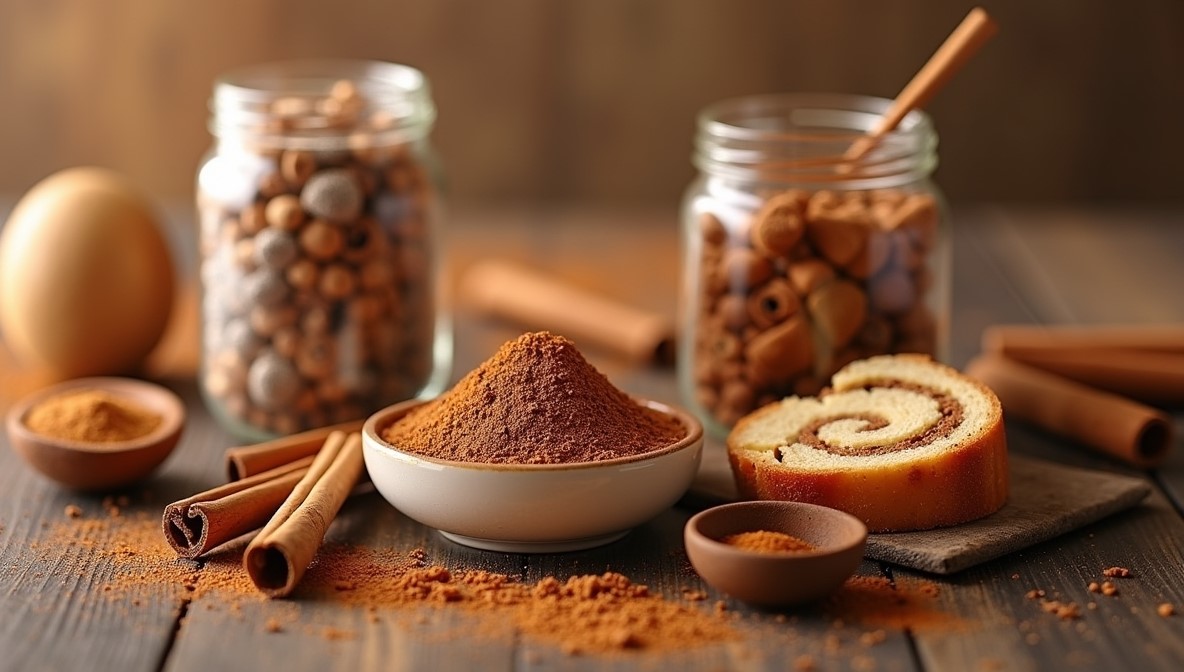
Practical Cinnamon Recipes and Dosage Tips for Your Weekly Routine
Cinnamon sits in most kitchen cupboards and gets used twice a year. It shows up for a crumble, a hot drink in winter, or a batch of biscuits, and then it disappears again. That is a shame, because this spice has genuine value across the whole week. The warmth it adds to food is not just about taste. Regular, sensible use of cinnamon has been linked to real wellness benefits, from blood sugar balance to digestive comfort. The challenge is not motivation. It is knowing how to slot cinnamon into different meals and different days without making it feel like a chore.
Your Week in a Nutshell
Cinnamon comes in two main types, Ceylon and Cassia, each with different safe daily limits. Ceylon suits regular everyday use, while Cassia is better kept to smaller, less frequent amounts due to its coumarin content. Across a typical week, cinnamon fits naturally into morning drinks, baked goods, and savoury mains. Rotating it in without overthinking, keeping portions sensible, and leaning on Ceylon for daily habits makes the whole thing straightforward to maintain long-term.
Ceylon vs Cassia: Two Cinnamons With Very Different Safety Profiles
Walk into most supermarkets in Hong Kong and you will find Cassia cinnamon. It is the darker, stronger-tasting variety with thick, multi-layered bark. Ceylon, sometimes called “true cinnamon,” looks quite different. Its sticks are thin, pale tan in colour, and the bark is delicate with a single fine layer. The flavour is lighter and more nuanced than Cassia.
These visual and flavour differences point to a deeper distinction. Cassia contains a compound called coumarin in much higher concentrations than Ceylon. Coumarin is not harmful in the small amounts found in a single serving, but consuming it every day, across multiple meals, can add up over time. Available health guidance on cinnamon confirms that the type of cinnamon used matters as much as the dose, with coumarin levels being the key differentiator for anyone building a daily habit. Ceylon, with its trace coumarin content, is the type most suited to regular, consistent use.
Ceylon vs Cassia: Key Differences Side by Side
| Feature | Ceylon Cinnamon | Cassia Cinnamon |
|---|---|---|
| Coumarin level | Very low (trace amounts) | High (up to 8mg per gram) |
| Colour | Pale tan to light brown | Dark reddish-brown |
| Flavour profile | Mild, slightly sweet, complex | Bold, sharp, intensely warming |
| Bark texture | Thin, soft, single layer | Thick, hard, multi-layered |
| Recommended daily limit | Up to 1.5 tsp (approx. 2 to 4g) | Up to 0.5 tsp (approx. 1g) for daily use |
| Best suited for | Daily drinks, smoothies, regular cooking | Occasional baking, bold savoury dishes |
Daily Cinnamon Limits by Variety
Getting the dosage right matters more than most people realise. A little too much Cassia every day is not going to cause immediate harm, but understanding the limits before making cinnamon a permanent fixture in your meals is worthwhile. The amounts below apply to healthy adults. Children, pregnant individuals, and anyone managing liver-related conditions should check with a doctor before adding cinnamon to a regular diet.
- Ceylon cinnamon (ground): Up to 1 to 1.5 teaspoons per day is considered safe for most adults, roughly 2 to 4 grams. This comfortably fits into a morning drink, a bowl of oats, and a savoury dish across the same day.
- Ceylon cinnamon (stick, steeped): One stick steeped in hot water, tea, or a curry base releases far less compound than ground powder. One stick daily sits well within safe limits.
- Cassia cinnamon (ground): For regular daily use, keep it to no more than half a teaspoon per day, roughly 1 gram. This stays below the coumarin threshold flagged by major food safety authorities.
- Cassia cinnamon (occasional use): If you bake with Cassia only on weekends or once or twice a week, typical recipe amounts spread across several servings are not a concern for most healthy adults.
- Children and older adults: Halve the adult amounts as a starting point. A pinch in porridge or a lightly spiced warm drink is perfectly fine. Generous daily amounts are not.
These figures give you a sensible framework rather than a rigid prescription. The aim is to build awareness of how much you are using so that daily cinnamon habits stay both sustainable and safe.
Morning Habits That Start the Day Right
The morning slot is the easiest entry point for a daily cinnamon habit. Most people already have a tea, coffee, or smoothie as part of their routine. Adding a pinch of Ceylon to any of these takes seconds. Over the course of a week, that single small action adds up to a consistent daily intake without any extra cooking time or meal planning.
- Cinnamon in coffee: Add half a teaspoon of Ceylon to your ground coffee before brewing, or stir it into a flat white after. It cuts bitterness and adds depth without needing extra sugar.
- Morning oats: A quarter teaspoon of Ceylon stirred into porridge with sliced banana and a drizzle of honey is genuinely filling and takes under ten minutes.
- Cinnamon smoothies: Cinnamon pairs well with banana, almond butter, oat milk, and a touch of vanilla. It blends in completely and adds warmth to an otherwise cold drink.
- Cinnamon toast: Spread whole grain bread with almond butter, then dust with a mix of ground cinnamon and a small pinch of nutmeg. Grill it for two minutes and it is ready.
- Warm cinnamon water: A stick of Ceylon in hot water with lemon juice and a small piece of ginger is a clean, caffeine-free way to begin the day.
Starting with the morning also means your body processes cinnamon alongside food, which reduces any digestive sensitivity for people who are new to regular use.
Savoury Weekday Dishes That Welcome Cinnamon
Cinnamon has a long history in savoury cooking across the Middle East, South Asia, and North Africa. It forms a core part of spice blends like Moroccan ras el hanout and Indian biryani masala. In these cuisines, cinnamon does not taste like a dessert ingredient. It adds earthiness, warmth, and a subtle complexity that makes a dish feel finished and rounded.
For weekday dinners, a few approaches work particularly well. A lamb or chicken stew with tomato, onion, cumin, and a single cinnamon stick simmered for forty minutes comes together easily and tastes like it took far more effort. Lentil soup is another natural fit. Add one small stick of Ceylon or half a teaspoon of ground Cassia to a pot of red lentils with garlic, tomato, and a squeeze of lemon. The result is warming and filling without feeling heavy.
For rice dishes, toast half a teaspoon of ground cinnamon in oil at the very start of cooking, then add your onions and rice. The base becomes fragrant without turning sweet. Roasted carrots or butternut squash with cinnamon, cumin, and olive oil also make a strong side dish that pairs with almost any protein on the plate.
These are not complicated techniques. They are small shifts in how you build flavour that happen to bring your weekly cinnamon intake up without any deliberate effort on your part.
Fitting Cinnamon Into a Packed Week
Not every day allows time to cook from scratch. Work deadlines, late meetings, and tired evenings are all real obstacles to a consistent wellness habit. The good news is that cinnamon does not require a full cooking session to stay part of your routine.
Even on the most packed days of the week, cinnamon fits into the gaps. A stir into bought yoghurt, a sprinkle over store-bought granola, or a cinnamon tea brewed at your desk keeps the routine intact. A browse through fast cinnamon treats can turn up ideas that come together in under fifteen minutes and keep in the fridge all week, so a hectic Wednesday or Thursday does not break the rhythm you have built.
- Cinnamon yoghurt bowl: Stir half a teaspoon of Ceylon into plain Greek yoghurt with honey and blueberries. Ready in under two minutes.
- Granola upgrade: A pinch of cinnamon dusted over oat granola changes the flavour noticeably and requires no preparation at all.
- Desk-side cinnamon tea: Ceylon cinnamon steeped in a tea infuser or a ready-made cinnamon tea bag makes a warm afternoon option with zero fuss.
- Pre-made energy balls: Made on Sunday from oats, nut butter, honey, and Ceylon, these keep in the fridge for five days and travel well in a small container.
The underlying principle here is that consistency matters more than perfection. A modest half-teaspoon on a busy day is more valuable than skipping entirely and overcorrecting later in the week.
Weekend Baking With Cinnamon
Weekends offer more kitchen time, and that is when cinnamon can really come into its own in baked goods. A basic cinnamon banana bread takes about fifteen minutes to mix and an hour in the oven. Made on Saturday, it covers breakfast for several days of the following week. Cinnamon apple muffins follow a similar logic. Make twelve, keep half in an airtight container, and freeze the rest for the week after.
Cinnamon rolls are the more ambitious weekend option, but they are worth making occasionally. The dough requires time to rise, and the filling is simple: butter, brown sugar, and generous amounts of Ceylon cinnamon. Cassia works well here too, since a weekend baking session is an occasional indulgence rather than a daily habit. The coumarin from a single batch spread across several rolls is not a concern for most healthy adults.
For something lighter, cinnamon-spiced roasted nuts take twenty minutes in the oven. Toss raw cashews or almonds in olive oil, honey, ground cinnamon, and a pinch of salt, then roast at 170 degrees Celsius until golden. They store for a week in a jar and work equally well as a snack, a salad topping, or something to set out with drinks.
A Pinch a Day, Week After Week
The goal with cinnamon is not to overhaul your diet. It is to build a habit that sticks because it fits naturally into things you already do. One cup of cinnamon tea in the morning, a pinch in Tuesday’s lentil soup, a cinnamon yoghurt on a busy Thursday, and a banana loaf on Saturday. That is already five meaningful touchpoints across the week, comfortably within safe dosage limits, and requiring almost no change to your existing routine.
Starting with Ceylon for daily use is the sensible baseline. Save Cassia for the moments when its bold flavour genuinely adds something, like a slow-cooked stew or a weekend bake. Keep a small jar of Ceylon ground cinnamon near your coffee machine so it is the first thing you see in the morning. That single visual cue does more for consistency than any complicated meal plan ever could.
Cinnamon works best as a quiet, background habit rather than a dramatic intervention. A pinch here, a stick there, a sprinkle over something you were already making. Over weeks and months, that rhythm builds up into something genuinely worthwhile, without ever feeling like extra work.